Historical report: PANews published the original article on November 11, 2026, at 16:40 (UTC+8).
Some large Bitcoin holders are exchanging directly held BTC for shares of BlackRock’s IBIT, according to BlackRock digital-assets head Robbie Mitchnick. The reported motivation is not just access to an ETF: he said security and peace of mind are the leading reasons clients give for the move. It is a change in how some existing holders keep Bitcoin exposure, not evidence on its own of new Bitcoin users or lasting adoption growth.
The scale—and its limits
Mitchnick said in an interview cited by PANews that BlackRock had recorded about $3.6 billion in in-kind conversions from directly held Bitcoin into IBIT shares since regulators approved such transactions the previous year. He said the actual total could be higher because BlackRock does not handle or observe every conversion. He also described demand for these exchanges as continuing to grow, but the article provides no periodic conversion series or holder count with which to measure that growth.
The minimum size for an IBIT in-kind conversion had fallen from roughly $30 million to about $1 million–$2 million, Mitchnick said. That lowers the threshold for large holders; it does not make the process available at the scale of an ordinary ETF share purchase.
Why custody is being reconsidered
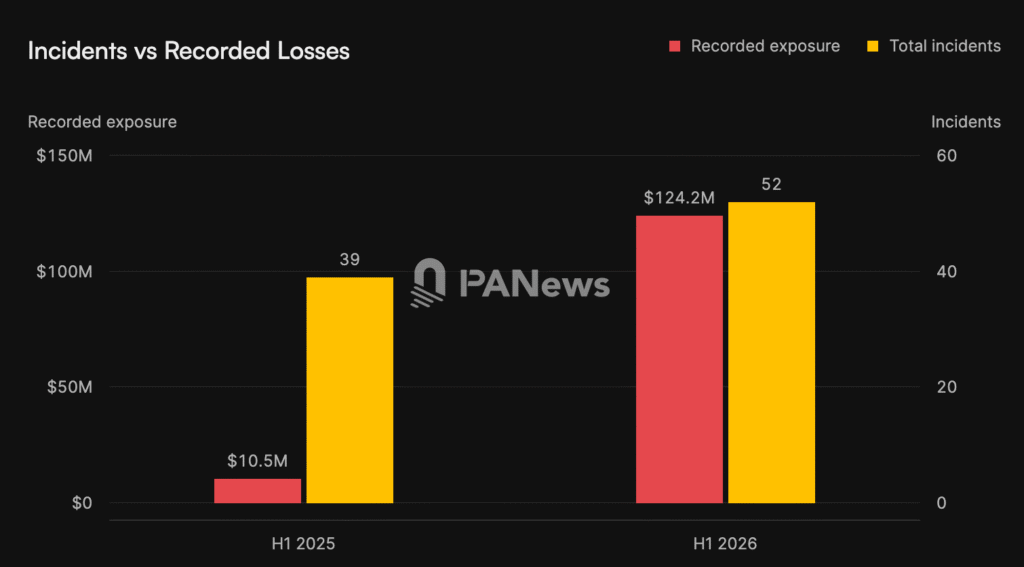
The source connects the custody debate to physical threats and security incidents. Citing CertiK, PANews reported 52 violent attacks on crypto holders worldwide in the first half of 2026, up 33.3% from the comparable period a year earlier. Recorded funds exposed in those incidents were about $124.1 million, versus $10.5 million a year earlier; 33 of the 52 incidents were in France. Those figures describe reported attacks, not the number of holders who subsequently switched custody methods.
PANews also described alleged hardware-wallet supply-chain problems and attacks affecting exchanges. Analyst PlanB said he had moved his Bitcoin into an ETF in 2025 and cited relief from managing hardware wallets and private keys. ABCDE Capital partner Du Jun said some family offices he knew had exchanged BTC for IBIT after custody-related incidents, while others had sold crypto for traditional assets including physical gold. These accounts illustrate reasons some holders give, but do not establish how widespread the response is.
A different set of risks
Bitwise chief investment officer Matt Hougan argued that ETF custody offers safeguards such as offline storage, multiple approvals and restrictions on where underlying assets can be transferred. He also noted a trade-off: ETF shares can be traded during the trading day, but their holders cannot immediately withdraw the corresponding Bitcoin for a transfer.
Self-custody advocates object that ETF shares do not give holders direct control of their coins and may reintroduce institutional restrictions. Concentration is another concern: PANews cited Coinbase’s disclosure that it held about 90% of the Bitcoin ETF custody market. OneKey founder Yishi warned about the risk of so much Bitcoin resting with a single custodian; Coinbase, for its part, described cold storage, segregated assets and other controls for its custody service.
The reported conversions show a custody preference among some large existing holders. Without a holder count, a consistent time series or evidence about subsequent behavior, they cannot establish a broader or durable adoption trend.
Source: panewslab.com (originally published 2026-11-11 16:40 UTC+8)