Originally reported November 11, 2026, at 18:26 (UTC+8).
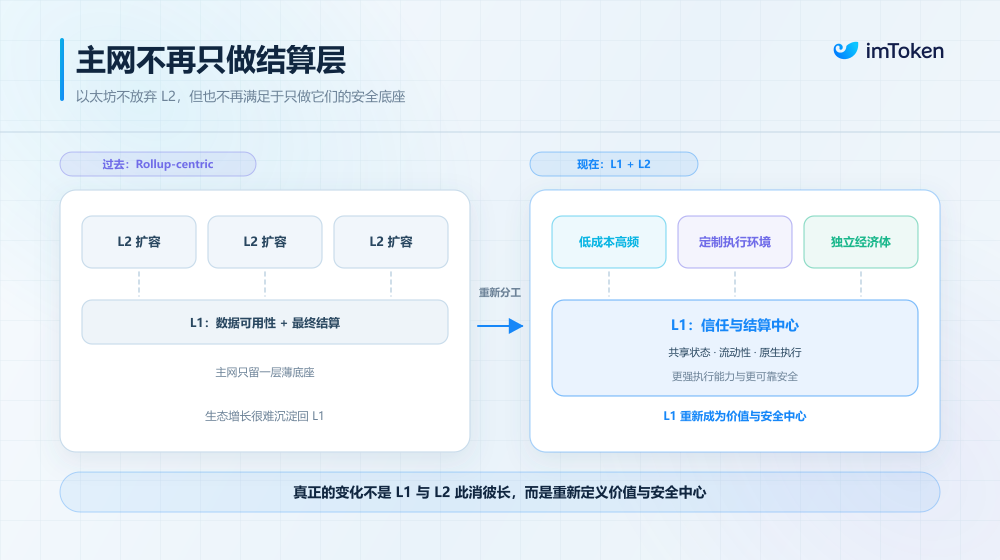
Ethereum’s scaling debate is no longer simply about moving activity away from its mainnet. As the original report describes, several projects reconsidered whether operating on a separate layer 2 (L2) still justified the costs and complexity. These are infrastructure decisions, however—not evidence on their own that users are returning to Ethereum L1 or that adoption is accelerating.
What changed for individual projects
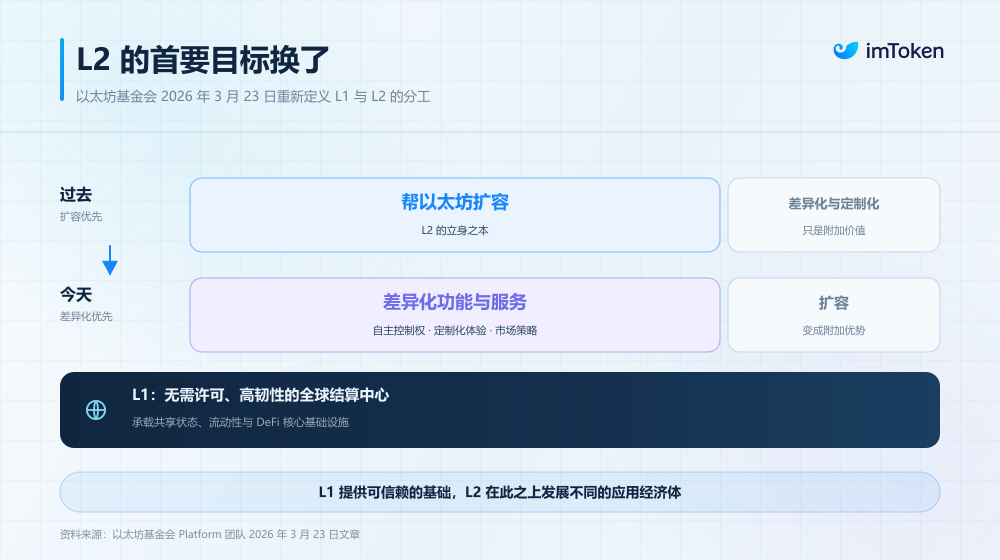
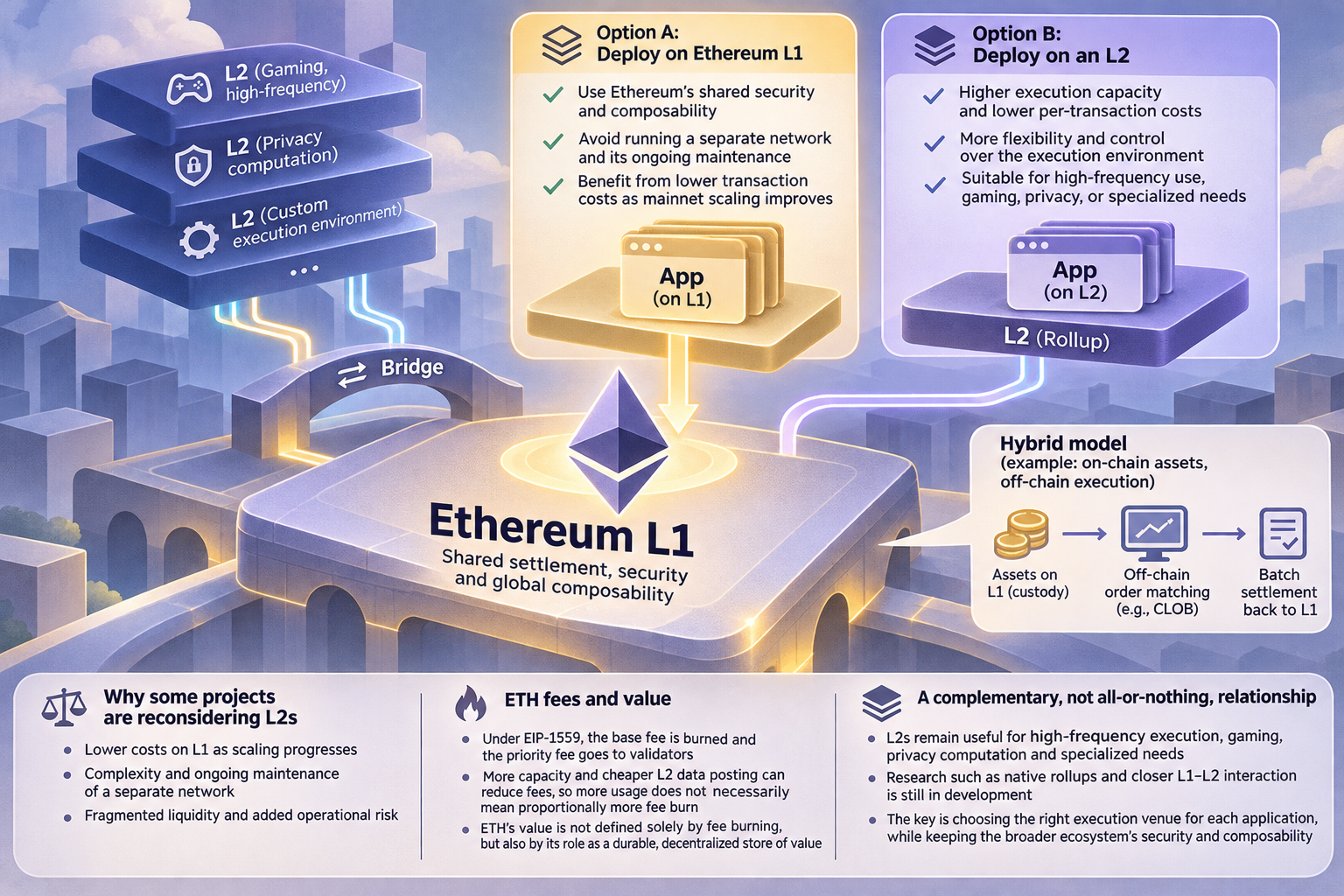
ENS Labs planned a dedicated ZK rollup, Namechain, for ENSv2 in 2024. In February 2026, ENS co-founder Nick Johnson said development of Namechain would stop and ENSv2 would instead deploy on Ethereum L1. He cited mainnet scaling that had progressed faster than expected. According to ENS Labs, the average gas cost of registering an ENS name had fallen about 99% over the preceding year, from nearly $5 to less than $0.05. Running a separate L2 would also have meant maintaining infrastructure and addressing bridging, cross-chain resolution, audits and operations.
Other decisions had different motivations. Synthetix published its critique of the L2 approach in June 2025, citing fragmented liquidity and infrastructure instability, then launched its new perpetuals exchange on Ethereum mainnet that December. In 2026, Trueo announced a move of its main deployment from Base to L1; ShapeShift moved its rFOX staking program from Arbitrum to L1 on October 1, noting that most FOX tokens were already held on mainnet. Superseed stopped its L2 in August and planned to shift core products to mainnet, while Nillion began moving node operations from its L2 to Ethereum mainnet in October as part of its Blacklight L1 launch.
The report also points to the economics of operating an independent network. On October 2, Blast announced it would wind down, saying maintenance costs exceeded L2 revenue and it saw no reliable path to sustainability. Abstract announced a planned network closure for December 15. The report says Abstract had integrated more than 144 applications and attracted over 400,000 users, but faced insufficient liquidity, a limited DeFi ecosystem and little institutional participation. Those app and user totals describe reported scale, not retention or proof of a sustainable business.
Keeping assets on L1 does not require every step to run there
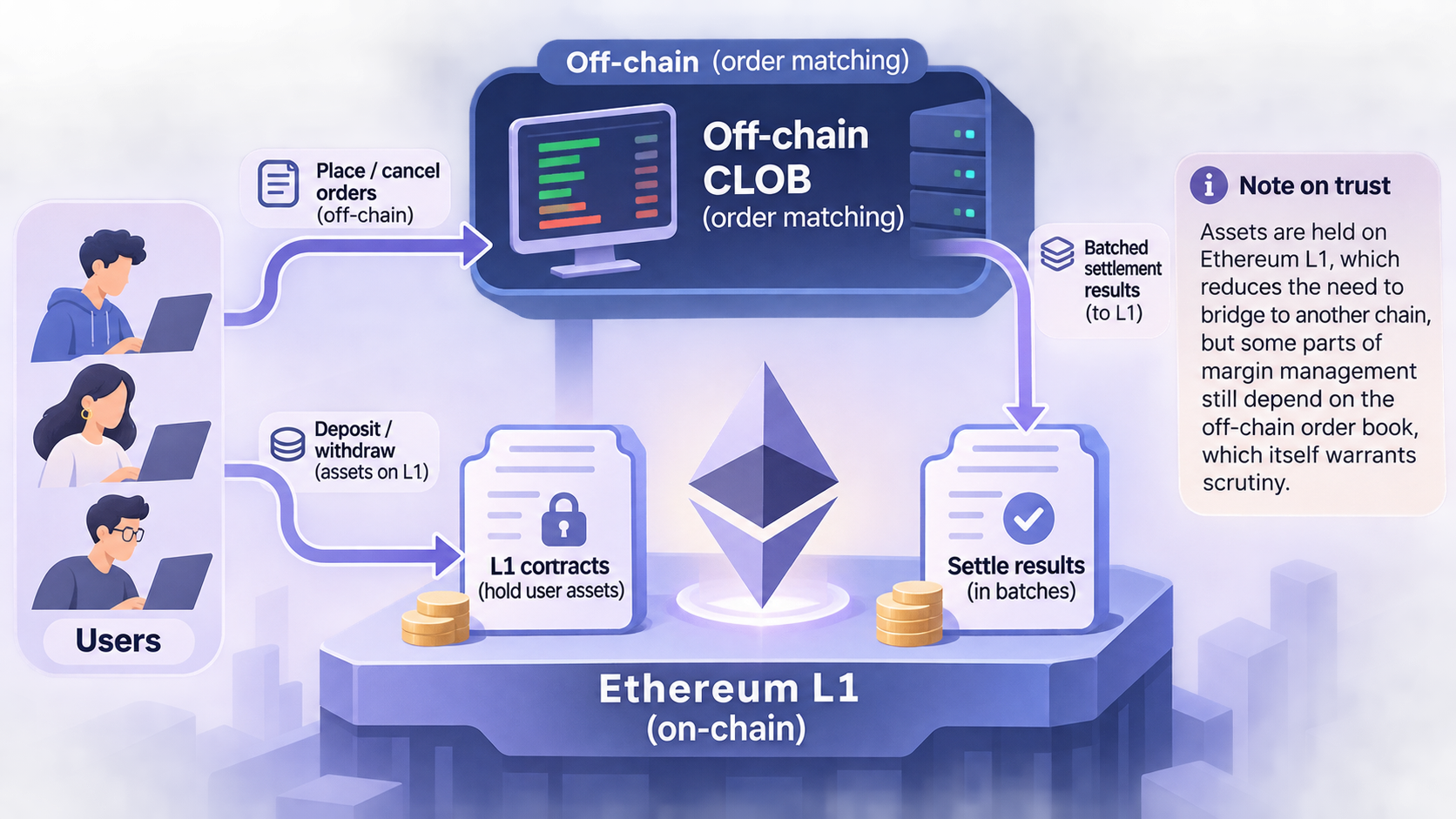
Synthetix illustrates a hybrid approach: Ethereum L1 contracts hold user assets, an off-chain central limit order book matches orders, and batches of results settle back on mainnet. That can reduce the need to bridge assets to another chain, but it does not eliminate trust questions. The report notes that parts of margin management still depend on the off-chain order book, which itself warrants scrutiny.
This is not a universal case against L2s. The report says they remain useful for applications requiring high-frequency execution, gaming, privacy computation or more control over their execution environment. It also describes native-rollup research and proposals for closer interaction between rollups and mainnet as work still in development, not deployed solutions to fragmentation.
Cheaper transactions complicate the ETH fee narrative
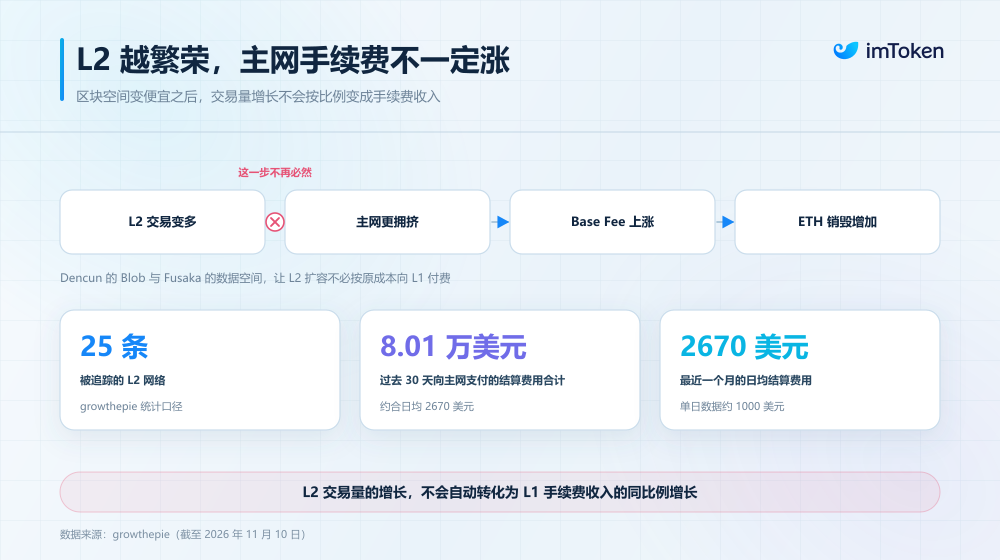
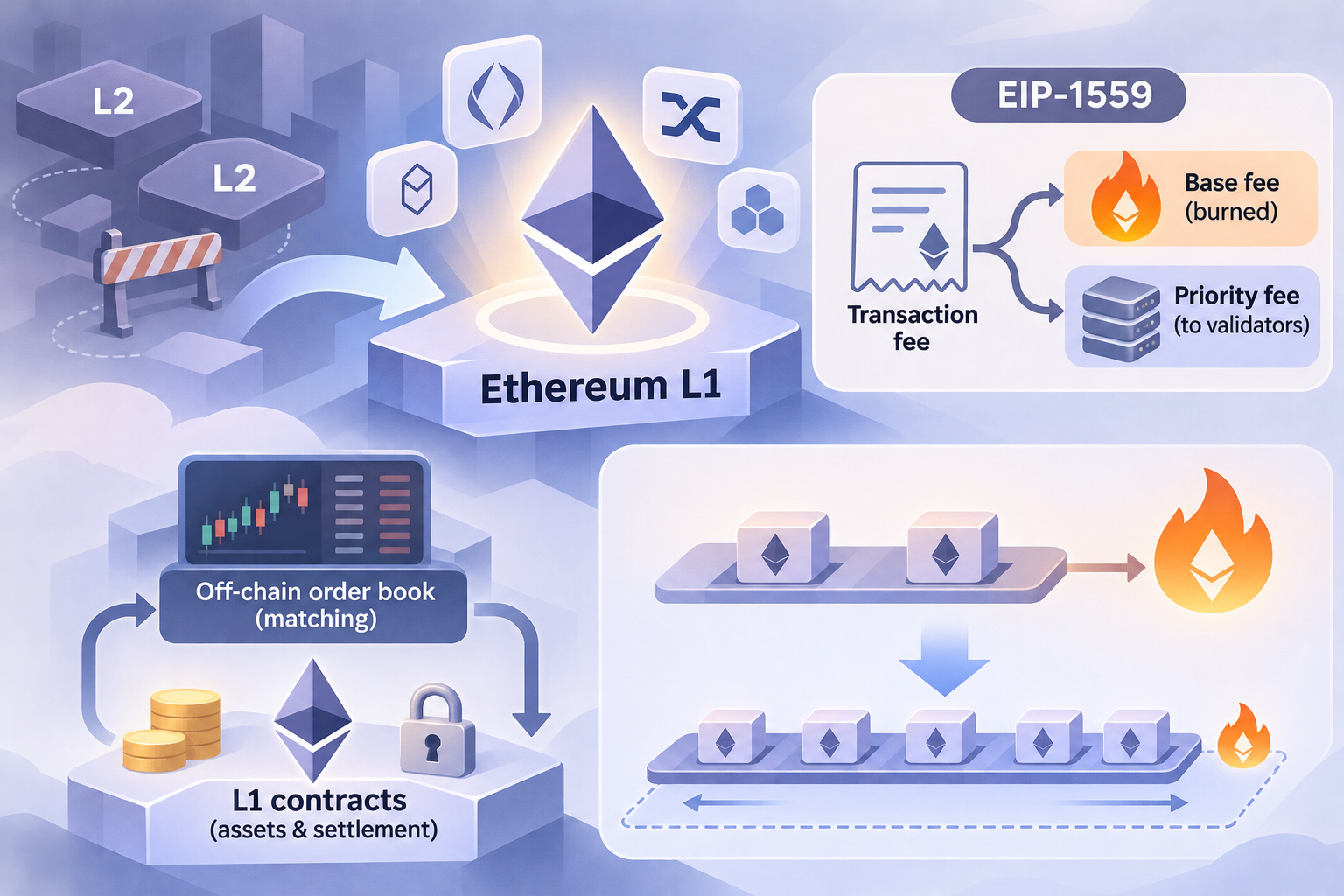
The report separates mainnet usage from ETH fee burn. Under EIP-1559, a transaction’s base fee is burned while its priority fee goes to validators. If upgrades reduce the cost of posting L2 data and mainnet capacity rises, more ecosystem transactions need not produce proportionally more fee burn.
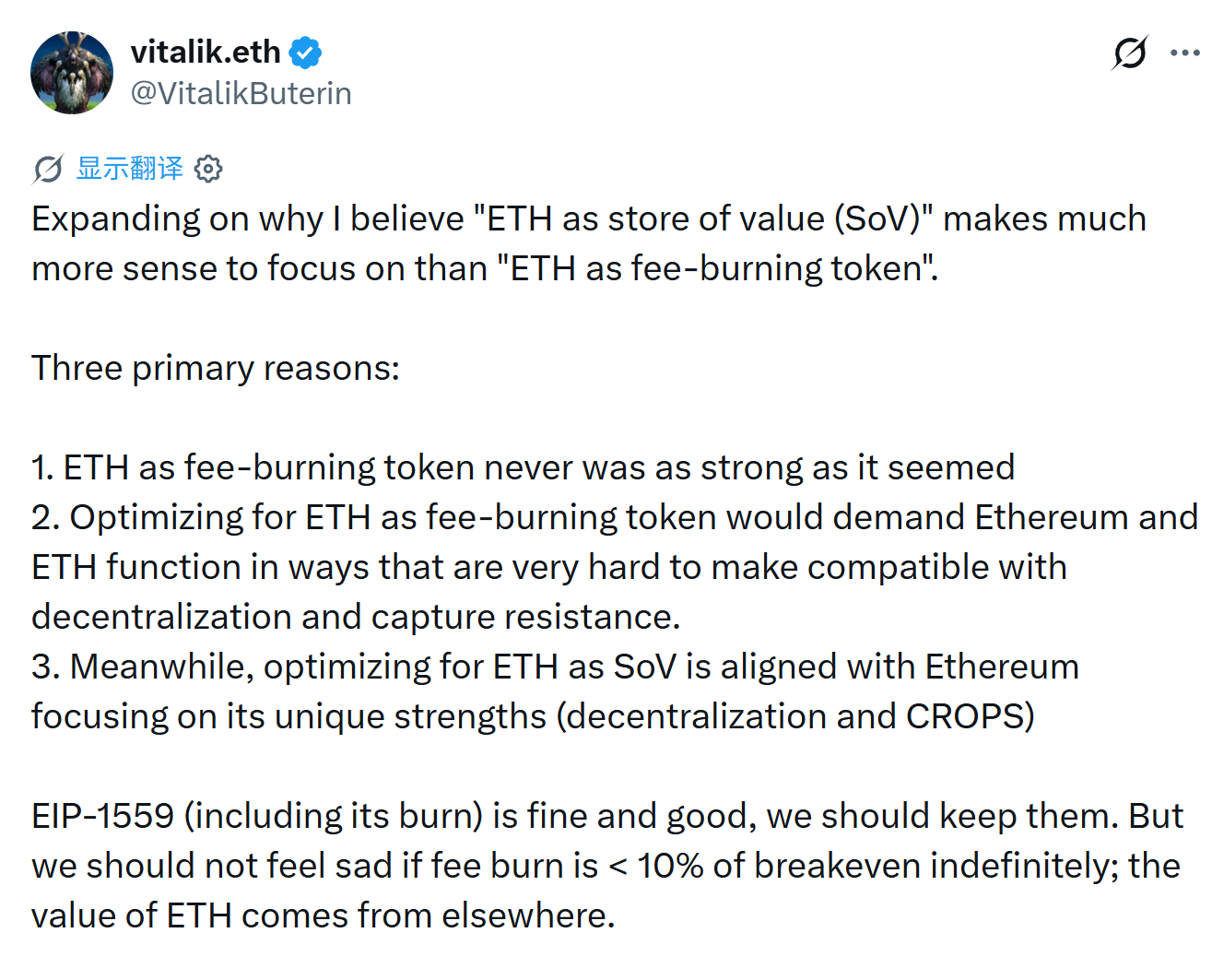
Vitalik Buterin’s view, as presented in the report, is that Ethereum should retain fee burning but should not define ETH’s value solely by it. He emphasizes the network’s potential as a durable, decentralized store-of-value infrastructure. That is an argument about ETH’s role, not a forecast of its price or a demonstration that renewed mainnet deployment will increase demand.
The adoption question therefore remains open: the cited projects show changing deployment choices and operating pressures, but the report does not provide a comparable time series of active users, transactions or retention across L1 and L2. Those measures would be needed to judge whether the shift represents lasting use rather than a change in where applications run.
Source: odaily.news (originally published 2026-11-11 18:26 UTC+8)